Keeping plugins and keys out of public files
Anything a browser can fetch, anyone can fetch. How keys, credentials and plugin leftovers end up in public files, and the habits that keep them out.
Column
RSSThe threats that actually reach a small business.
Anything a browser can fetch, anyone can fetch. How keys, credentials and plugin leftovers end up in public files, and the habits that keep them out.
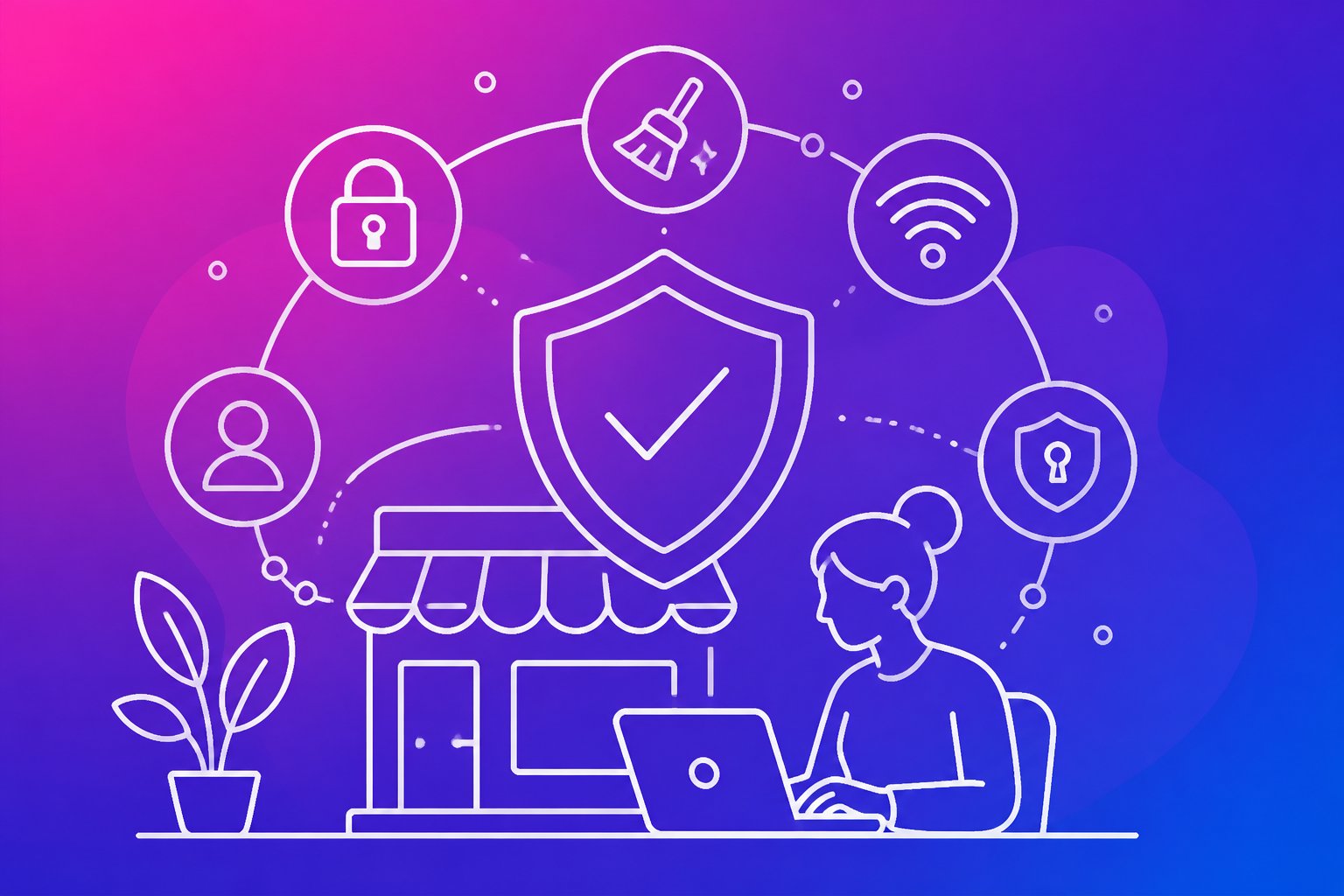
Small businesses face cyber risks through everyday operations, including weak passwords, unpatched devices, phishing emails and exposed data. A practical security plan helps an operator reduce these risks without adding unnecessary complexity or cost.
An incident response plan gives an organisation clear actions for handling a security incident. It assigns responsibilities, sets communication rules and guides teams from detection through recovery, reducing confusion when time matters.
Supply chain security protects an organisation from weaknesses in vendors, service providers and the digital supply chain. A compromised supplier can expose systems, data or customers, so organisations need visibility beyond their own networks.
Australia’s Essential Eight, also called Essential 8 or E8, gives Australian businesses a practical baseline for reducing common cyber security risks. It focuses on controls that limit the impact of stolen credentials, malware, unpatched systems and unauthorised access.
Ransomware can disrupt operations, expose sensitive data and create costly recovery work. Operators reduce ransomware risk by limiting access, protecting backups, monitoring for abnormal activity and practising a tested response.
A reliable backup routine gives an organisation a clear way to limit data loss when hardware fails, systems become compromised or someone deletes critical files. A strong backup plan uses scheduled, automated copies stored securely in separate locations and tested through regula
Small teams face the same access risks as larger organisations, but often have fewer people to manage them. Weak passwords, shared accounts and excessive permissions can allow unauthorised access to systems, customer data and business operations.
Business email security protects accounts, payments and sensitive data from threats such as phishing, malware and ransomware. Attackers can use stolen credentials or convincing messages to trigger business email compromise (BEC), redirect payments or expose customer information.
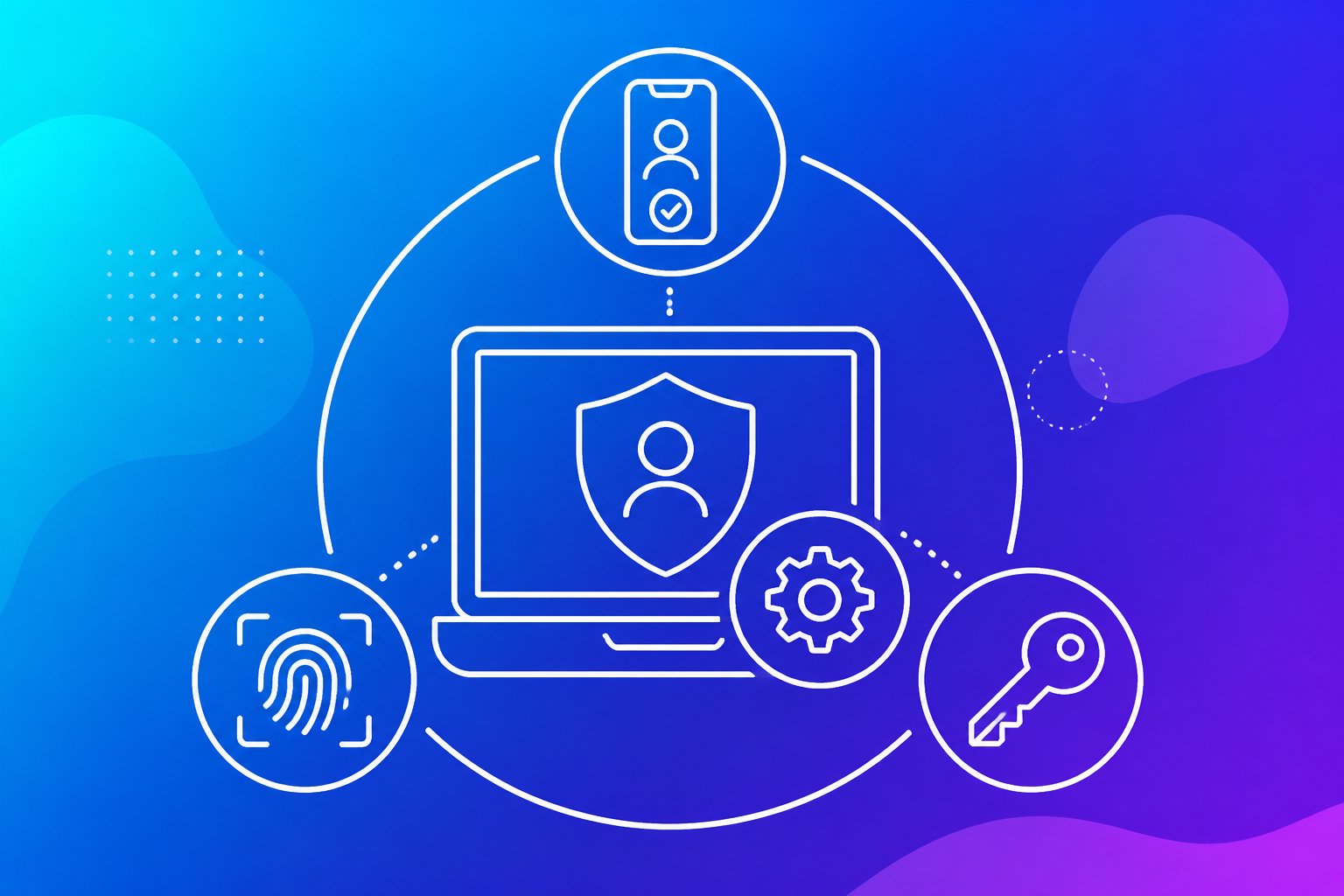
Multi-factor authentication (MFA) adds another verification step beyond a password, helping protect accounts from unauthorised access and security breaches. To set up MFA, users should choose a verification method, enable it in their account security settings and confirm that re
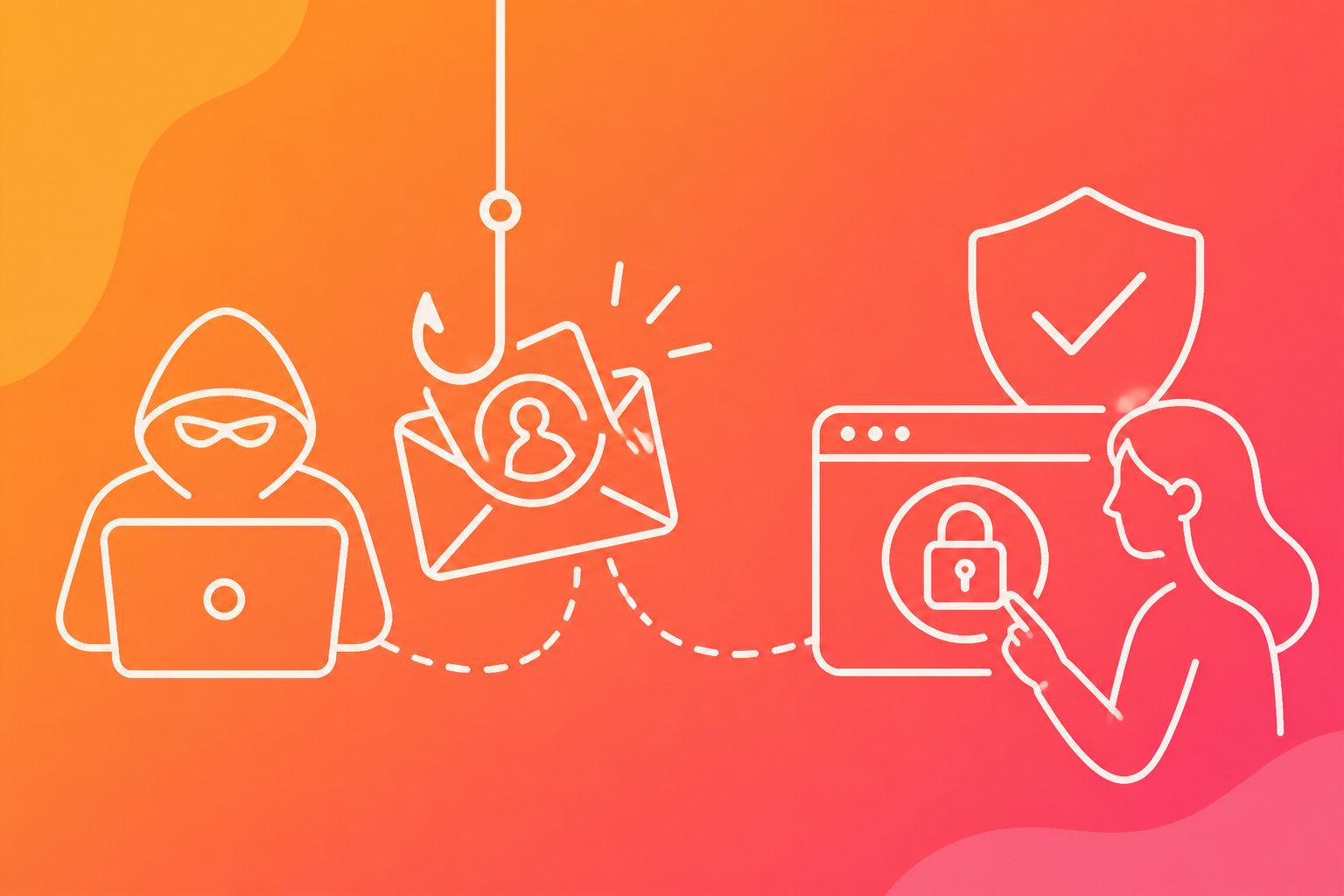
Phishing uses deception to trick people into revealing passwords, payment details or access to business systems. Cybercriminals often use social engineering to make a message look trusted, urgent or familiar.
Small and medium businesses face cyber threats that can disrupt operations, expose customer data and damage trust. Good cyber hygiene gives them practical controls to reduce everyday risk without treating cybersecurity as a one-off project.
Run the same checks on a client site and get the top findings for search, conversion and accessibility in minutes.